Update April 2026. Buku ini telah diterjemahkan ke dalam Bahasa Indonesia dan diterbitkan oleh Marjin Kiri (informasi pemesanan klik di sini).
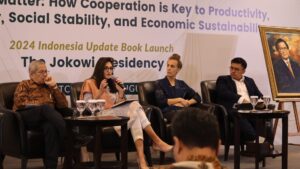
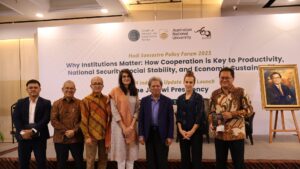
The Center for Strategic and International Studies (CSIS) Indonesia hosted the launch of The Jokowi Presidency: Indonesia’s decade of authoritarian revival. The book, edited by Sana Jaffrey and Eve Warburton, is part of the enduring Indonesia Update series and provides a critical analysis of President Joko Widodo’s decade in office. The book launch was also held as part of a weeklong celebration of the 60th anniversary of ANU Indonesia Project.
Opening the event, Yose Rizal Damuri (Executive Director, CSIS Indonesia) emphasized the book’s relevance in re-evaluating Jokowi’s legacy amidst a global apprehension regarding democratic regression. He remembered the excitement that accompanied Jokowi’s election in 2014, when the former Mayor of Solo was celebrated as a novel figure unblemished by political dynasties or military affiliations. Nevertheless, Yose contended that a significant portion of the reform’s potential remained unactualized. Jokowi’s aggressive development program frequently undermined institutional autonomy, rendering democratic safeguards more precarious and susceptible.
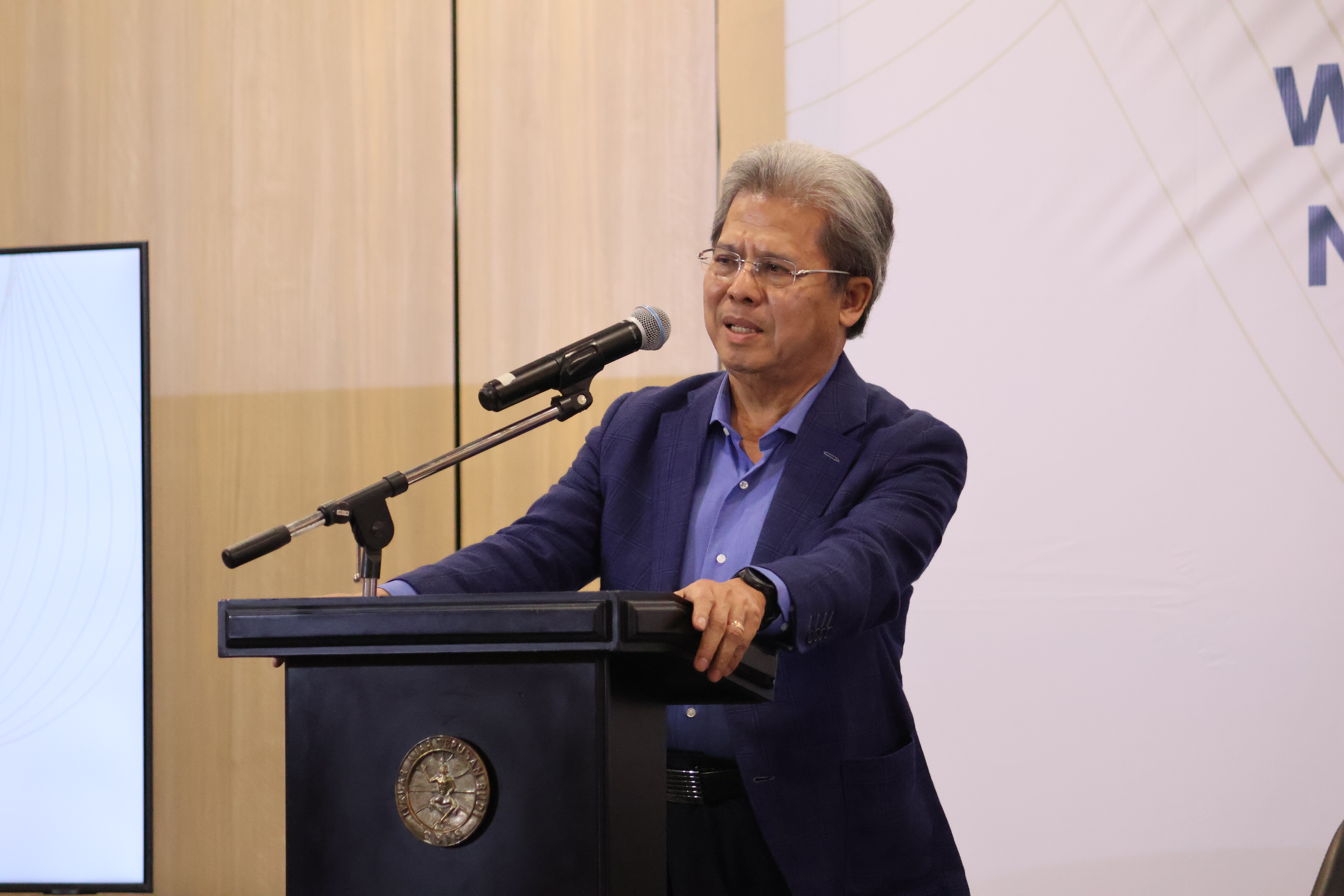
The book was officially launched by Todung Mulya Lubis, a distinguished lawyer, human rights champion, and former ambassador. Todung openly expressed his support for Jokowi in 2014, when assurances of welfare enhancement, infrastructural advancement, and increased equality fostered optimism. He contended that these programs evolved into politicized instruments of consolidation. Social assistance (bantuan sosial or bansos) frequently operated more as a mechanism for fostering political allegiance than as a genuine welfare program. Infrastructure projects were aggressively undertaken, often reflecting New Order methods of land expropriation, militarized enforcement, and community displacement. Jokowi’s administration was also characterized by extractive investment projects, notably the influx of Chinese capital in mining, and the deterioration of the Corruption Eradication Commission (KPK). Todungbelieves that Jokowi’s decade signifies the resurgence of “korupsi berjamaah” (collective corruption) and a restoration of Suharto-era governance under the guise of developmentalism.
In their remarks, book editors Sana Jaffrey and Eve Warburton contextualized the bookwithin the Indonesia Update series, which has chronicled the nation’s evolving political economy since 1983. The book chapters elucidated two distinctive characteristics of Jokowi’s presidency. Firstly, a development-centric economic agenda that constantly prioritized rapid expansion, infrastructure, and investment over accountability and civil liberties. Secondly, the resurgence of authoritarian methods from the New Order period such as intimidation of dissenters, consolidation of governmental power, erosion of accountability systems, and the calculated co-optation of elites. The editors highlighted the dichotomy of Jokowi as both a disruptive outsider and one of Indonesia’s most esteemed leaders. His modest demeanor and aspirational social initiatives garnered significant political capital, yet this appeal allowed him to undermine democratic institutions without overtly demolishing them. Jaffrey and Warburton contended that Jokowi’s legacy ought to be interpreted not as a democratic decline but as an “authoritarian revival”, a resurgence of practices and rationales deeply ingrained in Indonesia’s political fabric.
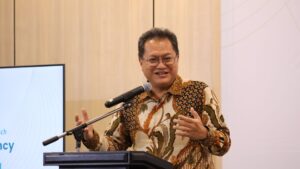
Rizal Sukma (Senior Fellow, CSIS) is one of the book’s authors. In his chapter, he analyzed Jokowi’s international orientation from a foreign policy standpoint. He characterized Jokowi as predominantly indifferent to diplomacy unless it serves to promote trade, tourism, and investment. Ambassadors were instructed to focus primarily on economic diplomacy, while strategic and security matters were assigned to the Ministry of Foreign Affairs. Sukma observed that during international crises, the Myanmar coup, Russia’s invasion of Ukraine, and Indonesia’s leadership roles in the G20 and ASEAN compelled Jokowi to engage in hesitant global engagement. Although Indonesia successfully maneuvered through these events, Jokowi’s limited, transactional diplomatic strategy undermined the nation’s standing as a proponent of democracy and pluralism. Sukma contended that the reputational repercussions of Jokowi’s insular developmentalism resulted in a lowered international stature and a compromised moral authority in global democratic discourse.
The Q&A session emphasized inquiries from the audience regarding the integrity of Indonesia’s democratic safeguards. Jaffrey and Warburton asserted that although Jokowi undermined institutions, he refrained from entirely demolishing them. Competitive elections, elite rivalries, and popular commitment to democracy are tenuous protections against complete totalitarian regression. Participants also inquired about Indonesia’s ability to achieve developmentalist goals without regressing into authoritarianism. The editors observed that Jokowi’s presidency indicates a concerning trend: when developmental objectives are sought through centralized, statist approaches, democratic accountability frequently becomes the initial victim.
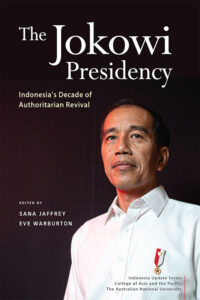 The Jokowi presidency: Indonesia’s decade of authoritarian revival
Editors : Sana Jaffrey and Eve Warburton
Date of publication : 2025
Publisher : ISEAS-Yusof Ishak Institute
Number of page : 311
Hard Cover ISBN : 9789815306828
Soft Cover ISBN : 9789815306798
Download the preliminary pages and chapter 1 free
![[FKP hosted by The SMERU Research Institute] Estimasi misinvoicing pada kasus larangan impor pakaian bekas](https://www.fkpindonesia.org/wp-content/uploads/2026/10/Collage-8-500x383.jpg)