Climate change has become an urgent global issue affecting various economic sectors, including traditional salt farming in Madura. Female salt farmers have developed adaptive strategies to cope with climate change; however, limited institutional support and policy interventions exacerbate their vulnerability. This study aims to explore female salt farmers’ experiences and perceptions regarding climate change, analyse their adaptive strategies to sustain salt production, and identify policy interventions that could enhance their livelihoods’ resilience. Using a qualitative approach, this research examines four female salt farmers in Sampang Regency, one of the main salt-producing regions in Madura. Data were collected through in-depth interviews with female salt farmers across four coastal sub-districts: Sreseh, Torjun, Pangarengan, and Camplong. Additional interviews with two male salt farmers, a community leader, and a representative from the Fisheries Department provided triangulation to validate findings.
The study reveals that climate change has significantly altered salt production cycles, forcing farmers to shift their operations or seek alternative livelihoods during unfavorable weather conditions. One notable adaptation strategy is to convert salt ponds into fish-farming areas during the rainy season, providing an alternative income source. However, most female salt farmers rely on informal networks and personal experience rather than structured climate adaptation training. Furthermore, while the local government has introduced initiatives such as the formation of a regionally owned enterprise to stabilize salt prices, their effectiveness remains limited due to inadequate farmer participation.
Pembicara: Nita Viviani (Universitas Muhammadiyah Yogyakarta) dan Riskiadi (Universitas Muhammadiyah Yogyakarta)
Rabu, 23 Juli 2025 pukul 09.30-11.00 WIB (daring dalam Bahasa Indonesia)
Terbuka untuk publik dan gratis. Ikuti di Zoom. Registrasi Zoom: klik di sini
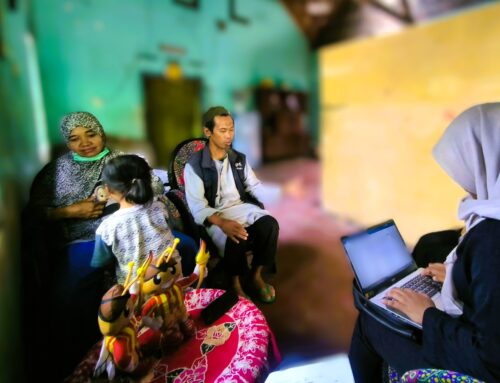
Photo by Dendy Darma Satyazi on Unsplash
Slides and video for past seminars: