Understanding how and under which conditions women’s intrahousehold power influences their labour supply is essential for informing policies aimed at enhancing women’s labour market outcomes. This study estimates the impact of women’s decision-making power on their labour supply using an instrumental variable approach. The IV estimate shows that improvement in women’s decision-making power increases married women’s labour force participation. The effects are concentrated among women with no prior labour market attachment, who also experience increases in wage employment and working hours. Mechanism analysis suggests that increased power operates through greater reproductive control, improved subjective economic expectations, and accumulation of assets such as housing and livestock.
Speaker: Lolita Moorena (Research School of Economics, The Australian National University)
Discussant: Wisnu Setiadi Nugroho (FEB Universitas Gadjah Mada)
📅 Thursday, 20 August 2026. Online in English
🕙 10.00-11.30 WIB (GMT+7)
Register to participate on Zoom: klik di sini
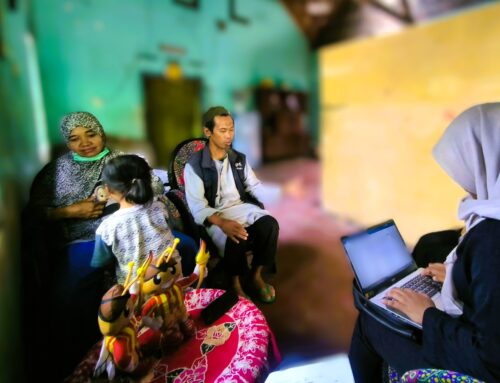
Photo by EqualStock on Unsplash
Slides and video for past seminars:




Leave A Comment